Summer Sale - Save on Everything!
 Free Shipping Over $99!
 Easy Guest Checkout
Sustainable Kitchen Products: Transform Your Cooking Space with Eco-Friendly Choices
Why Sustainable Kitchen Products Are Essential for Modern Homes
Sustainability has become much more than a trend it’s now a way of life. In modern homes, every choice we make can impact the planet, and the kitchen is one of the easiest places to start living more responsibly. Every meal, every plate, and every piece of cookware plays a role in shaping a sustainable future.
Understanding Sustainability in the Kitchen
A sustainable kitchen is about more than reducing waste it’s about conscious consumption. It means choosing durable, non-toxic, and renewable materials that are kind to both your health and the planet. Products like glass, bamboo, recycled ceramics, and stainless steel can last for years while minimizing environmental damage.
The Environmental Cost of Traditional Kitchenware
Conventional kitchen items often contain plastics and harmful chemicals that release toxins and microplastics into the environment. Non-stick pans made with PFAS, plastic containers, and disposable plates are among the top culprits. These items often end up in landfills or oceans, taking hundreds of years to decompose. In contrast, sustainable kitchen products are made to last reducing waste and carbon footprint over time.
How Sustainable Kitchenware Shapes a Greener Future
When you choose eco-friendly kitchen products, you’re making a statement: that quality and environmental responsibility can coexist. Each glass container, bamboo spoon, or ceramic plate purchased supports ethical production, fair labor, and a cleaner ecosystem. It’s proof that small, mindful decisions can collectively lead to significant global impact.
Top Sustainable Kitchen Materials You Should Know
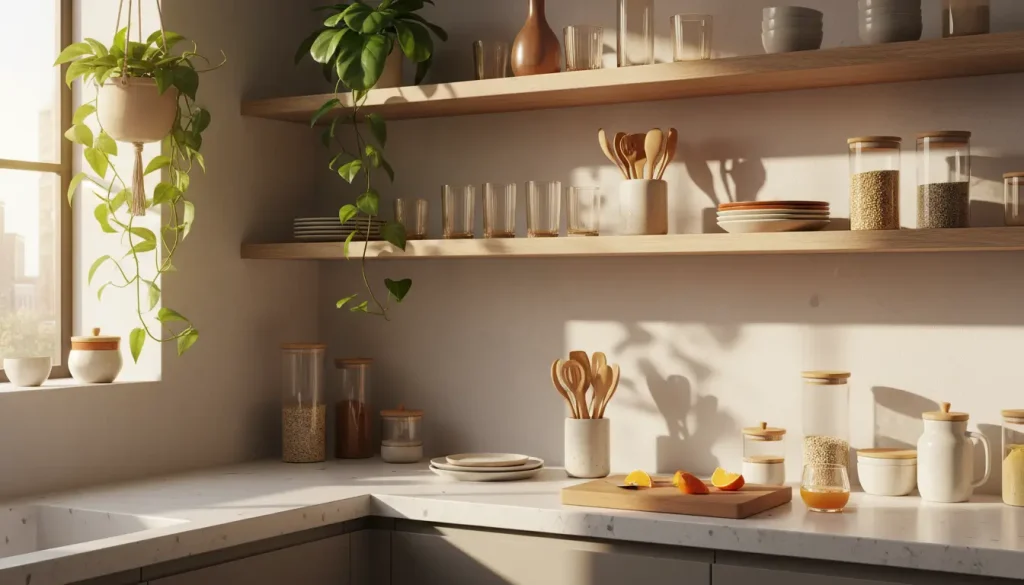
A truly sustainable kitchen starts with the right materials. These materials not only enhance the look and feel of your kitchen but also ensure safety, longevity, and recyclability.
Glassware: A Timeless and Recyclable Choice
Glass is a hero material in sustainability. It’s 100% recyclable, toxin-free, and endlessly reusable. Glassware from jars and bottles to plates and bowls offers a sleek, timeless design that fits any kitchen aesthetic. It also preserves food better than plastic, without absorbing odors or stains.
Bamboo and Wooden Alternatives
Bamboo is one of the fastest-growing plants on Earth, making it a renewable powerhouse. It’s used to craft everything from utensils and chopping boards to storage containers and dish racks. Unlike plastic, bamboo is biodegradable and doesn’t release harmful chemicals. Sustainably sourced wooden items, like acacia or teak dinnerware, also add warmth and natural charm to your table.
Recycled Metals and Ceramics
Recycled stainless steel, aluminum, and ceramics are popular for cookware and tableware. They’re sturdy, stylish, and made to withstand years of use. Ceramic plates and bowls, especially those made from recycled clay, are non-toxic and come in beautiful finishes that elevate your dining experience while being planet-friendly.
Non-Toxic and Plant-Based Coatings
Traditional non-stick cookware often contains harmful chemicals. Modern sustainable options use natural coatings derived from minerals or plants. These are safe, durable, and don’t release toxins into your food or the air ensuring your cooking experience stays clean and healthy.
Must-Have Sustainable Kitchen Products for Every Home
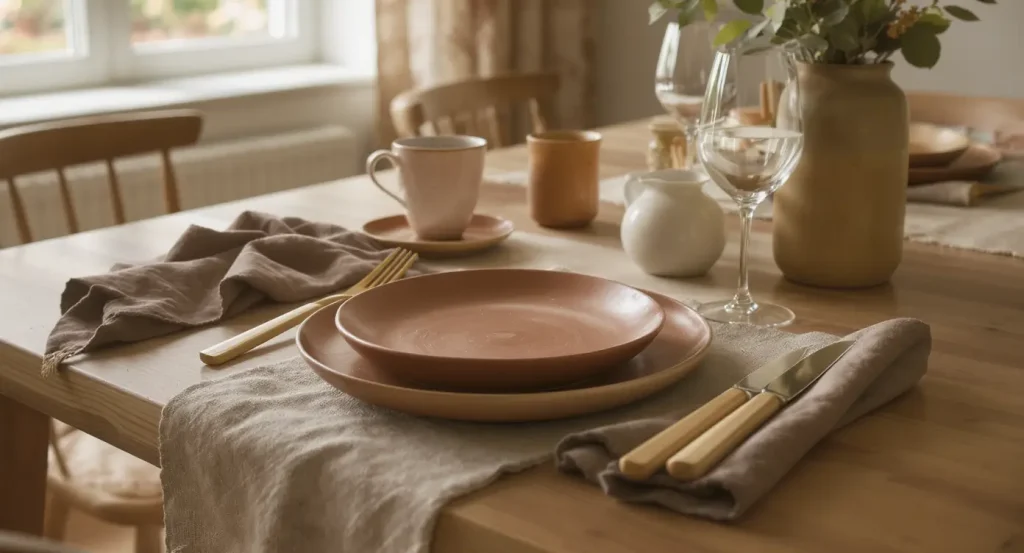
Upgrading your kitchen doesn’t have to mean replacing everything. You can start small and still make a meaningful impact. Here are the essentials every eco-conscious home should have.
1. Eco-Friendly Plates and Dinnerware
Replace single-use or plastic plates with sustainable options like recycled glass, ceramic, or bamboo dinnerware. They’re beautiful, durable, and can last for decades. Plus, they’re microwave and dishwasher-safe, making them practical for daily use.
2. Reusable Glass Storage Containers
Glass containers are a must for modern sustainable kitchens. They help reduce plastic waste, keep your food fresh, and can go from freezer to oven seamlessly. Whether for meal prep or pantry organization, they’re both functional and visually appealing.
3. Sustainable Cookware and Utensils
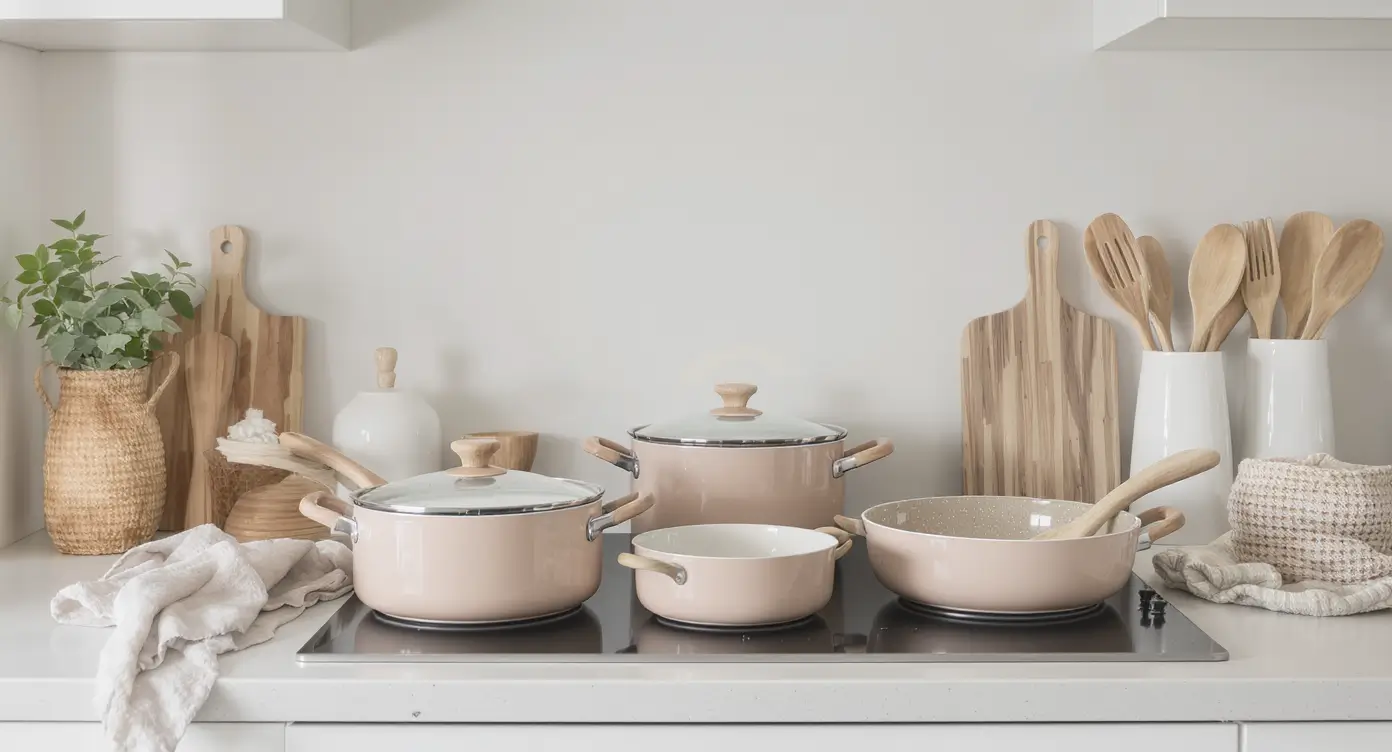
Opt for cast iron, stainless steel, or ceramic-coated cookware all free from toxins and designed for longevity. Pair them with bamboo or wooden utensils to prevent scratches and maintain a plastic-free kitchen.
4. Compostable or Biodegradable Accessories
Swap out plastic wraps, disposable sponges, and paper towels for eco-friendly alternatives. Beeswax wraps, cloth towels, and loofah scrubbers are biodegradable and reusable, significantly cutting down household waste.
How to Transition to a Sustainable Kitchen Without Breaking the Bank
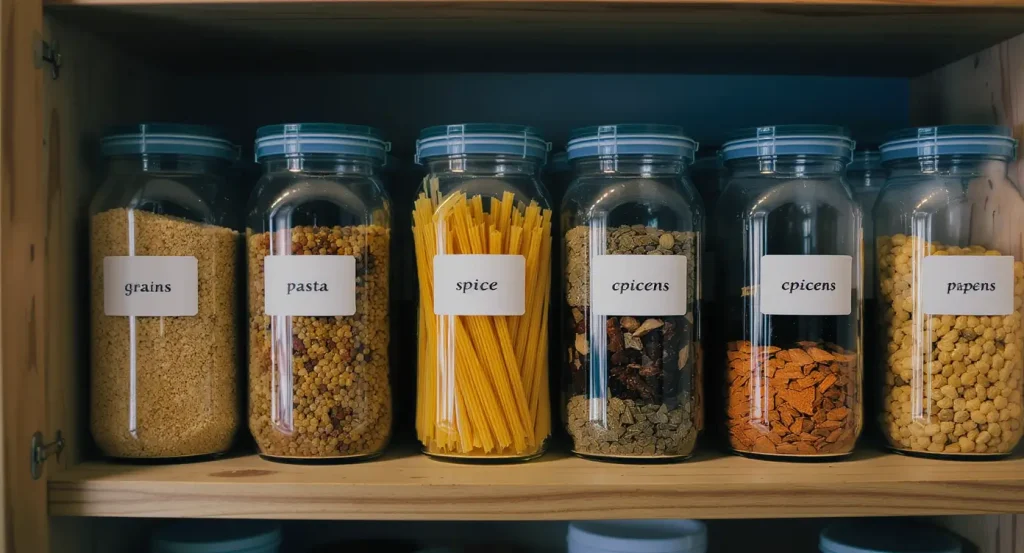
Contrary to popular belief, sustainability doesn’t have to be expensive. A greener kitchen can be achieved with thoughtful choices and gradual changes.
Start Small with Smart Swaps
Begin with easy swaps: use glass instead of plastic containers, switch to bamboo utensils, or replace paper napkins with washable cloth ones. You don’t have to overhaul your entire kitchen overnight small, consistent changes make the biggest difference.
Focus on Quality Over Quantity
Investing in high-quality, long-lasting items reduces waste and saves money in the long run. A single durable glass jar can outlast dozens of plastic ones, making it both eco-friendly and economical.
DIY and Repurpose What You Have
Before discarding old items, find creative ways to reuse them. Glass bottles can become flower vases, jars can store grains or spices, and old cutting boards can serve as serving trays. Repurposing encourages creativity while minimizing waste.
Shop Mindfully and Look for Certifications
When buying new products, check for eco-certifications like FSC, Fair Trade, or B Corp. These ensure ethical sourcing and environmentally responsible manufacturing. Also, support local artisans and brands committed to sustainability it helps reduce transport emissions and supports community businesses.
Caring for Your Eco-Friendly Kitchen Products
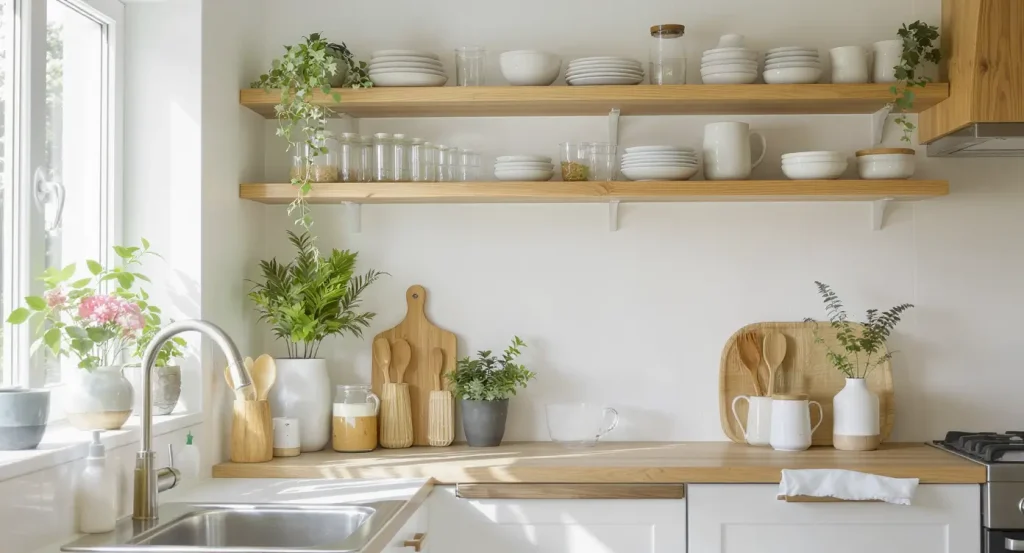
Sustainable products are designed to last, but their longevity depends on proper care.
Cleaning and Maintenance Tips
Use mild soap and warm water to clean glassware and ceramics. Avoid harsh chemicals that can erode natural coatings. For bamboo and wooden items, wash by hand and dry immediately. Occasionally oil them with food-safe oils like coconut or mineral oil to prevent cracking.
Safe Storage and Handling
Stack ceramics carefully, store bamboo tools upright, and ensure all items are dry before putting them away. Proper storage prevents mold, cracks, and scratches keeping your kitchenware looking brand new.
Repair, Don’t Replace
Instead of discarding slightly damaged pieces, repair them. Use non-toxic adhesives for ceramic cracks or sand and re-oil wooden utensils. Extending the life of your items aligns perfectly with the sustainable ethos.
The Future of Sustainable Kitchen Design
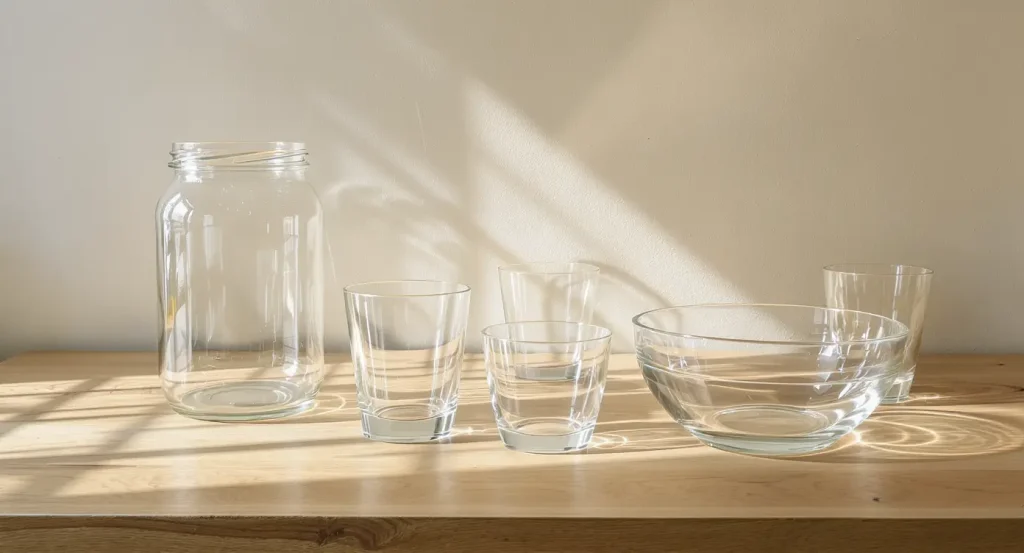
Tomorrow’s kitchens will be smarter, cleaner, and greener. Innovations in materials, design, and technology are redefining sustainability.
Emerging Trends in Kitchen Sustainability
Manufacturers are embracing recycled materials and low-waste production methods. Expect to see modular kitchen systems, biodegradable packaging, and minimalist designs that encourage mindful consumption.
Tech Meets Sustainability
Energy-efficient appliances, smart recycling bins, and composting devices are now integrating into everyday kitchens. These innovations help reduce energy use, waste, and water consumption making sustainability effortless.
The Power of Conscious Consumers
Your choices influence industries. Every time you purchase a sustainable product, you vote for a cleaner planet. The growing demand for eco-friendly options is driving brands to innovate proving that sustainable living is both fashionable and feasible.
FAQs About Sustainable Kitchen Products
1. What makes kitchen products sustainable?
Sustainable kitchen products are made from renewable or recycled materials and designed for durability, recyclability, and low environmental impact.
2. Is glass better than plastic for the environment?
Absolutely. Glass is non-toxic, endlessly recyclable, and doesn’t leach chemicals into food, unlike most plastics.
3. How do I start creating a sustainable kitchen on a budget?
Start small replace disposable items with reusable ones and invest in multipurpose, high-quality essentials like glass containers and bamboo utensils.
4. Do eco-friendly products last longer?
Yes. Sustainable products are often built for durability, reducing the need for frequent replacements and lowering overall costs over time.
5. How can I maintain my sustainable kitchenware?
Avoid harsh cleaners, dry items thoroughly, and regularly maintain materials like wood or bamboo with food-safe oils to ensure longevity.
6. Are there stylish sustainable kitchen options available?
Definitely! Modern eco-friendly kitchenware combines functionality with aesthetics think sleek glass jars, minimalist ceramics, and beautifully crafted bamboo utensils.
Conclusion: Building a Kitchen That Supports the Planet
Creating a sustainable kitchen is one of the most rewarding steps toward eco-conscious living. It’s not just about buying new products it’s about shifting your mindset toward mindful consumption and long-term value.
By embracing sustainable kitchen products like glassware, bamboo utensils, and recycled dinnerware, you’re investing in a cleaner, healthier, and more ethical future. Every eco-friendly choice contributes to a larger mission: protecting our planet for generations to come.
So, next time you set the table or store leftovers, remember sustainability begins right in your kitchen.