Summer Sale - Save on Everything!
 Free Shipping Over $99!
 Easy Guest Checkout
Mix and Match Dinnerware Ideas
The Art of Mixing and Matching Dinnerware
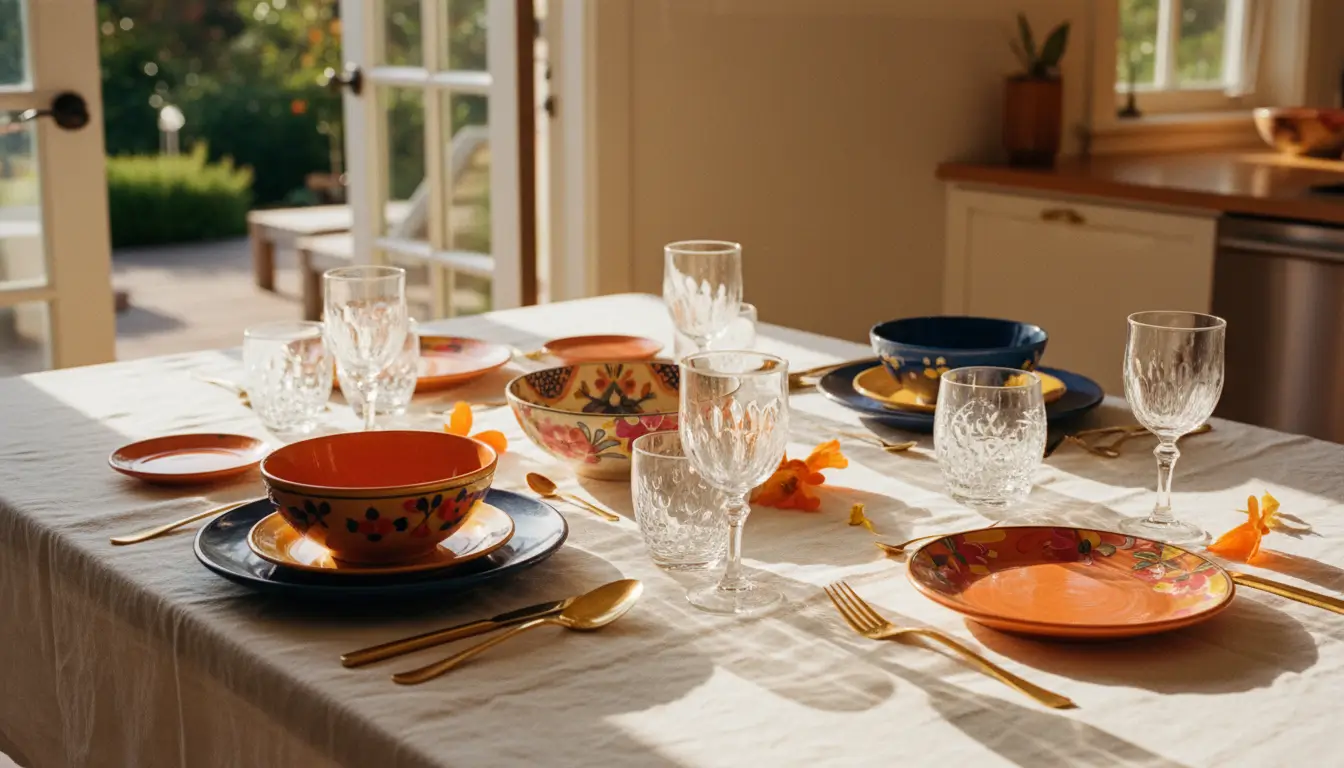
Mixing and matching dinnerware isn’t just a design trend it’s an expression of your personality. Gone are the days when every plate, bowl, and mug had to match perfectly. Today’s dining experience embraces individuality, creativity, and balance. Whether you’re curating a casual brunch table or setting the scene for a formal dinner, blending styles allows you to create a look that’s uniquely yours.
Why Uniform Dinnerware Is Outdated
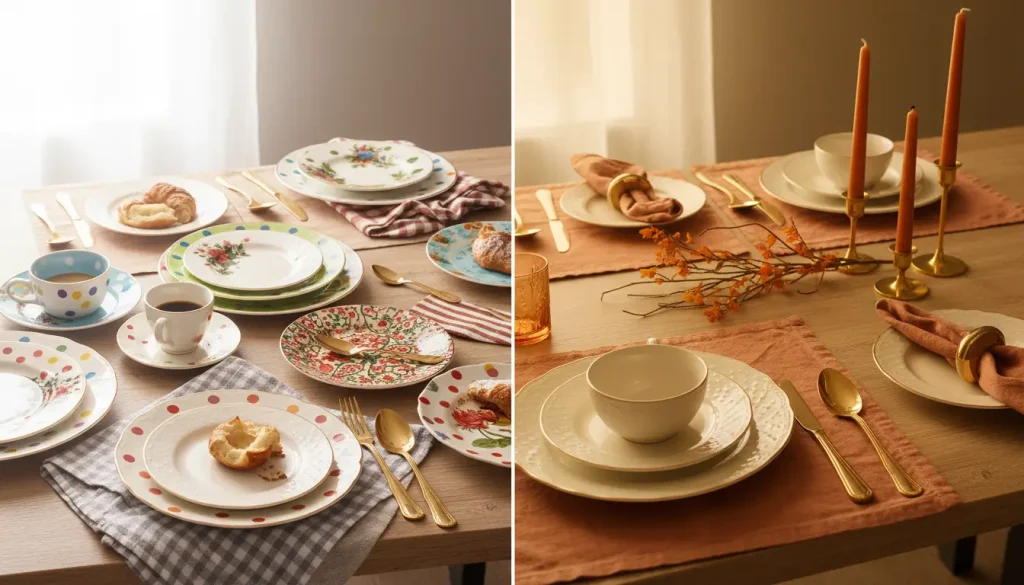
Uniform dinnerware once represented formality and order. But modern homes especially in style-forward regions like celebrate individuality. Mismatched doesn’t mean messy; it means intentional contrast. The beauty lies in finding harmony through difference. By combining old and new, glossy and matte, solid and patterned, you build a table that tells a story.
The Power of Personality in Table Settings
A table should reflect the people sitting around it. Mixing dinnerware allows you to showcase your aesthetic rustic charm, modern minimalism, or boho chic. Choose colors and textures that complement your personality, and don’t shy away from experimenting. Even subtle shifts, like pairing handmade ceramics with glass tumblers, add depth and warmth.
How to Choose Complementary Colors and Patterns
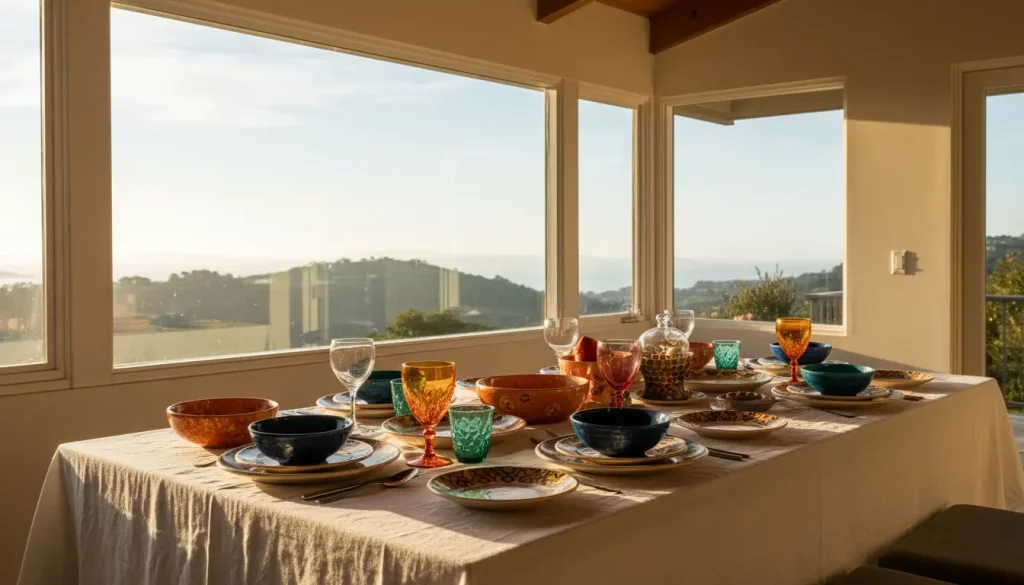
Color and pattern are the foundations of visual appeal. When done right, they transform your dining table into a captivating display.
Color Theory for Dinnerware
Start with a base color white, beige, or soft gray and layer in accent hues that reflect your mood or season. Warm tones (terracotta, mustard, coral) evoke energy, while cool tones (sage, teal, navy) bring calmness. The secret is contrast: pairing light and dark shades enhances balance.
Playing with Patterns: Florals, Geometrics & Solids
Patterns can intimidate, but they’re your best friend in achieving visual interest. Combine a bold floral plate with a simple striped bowl or a speckled salad dish. Mix solids and prints to prevent clutter. The key is cohesion through repetition one common color ties everything together.
Combining Different Materials and Textures
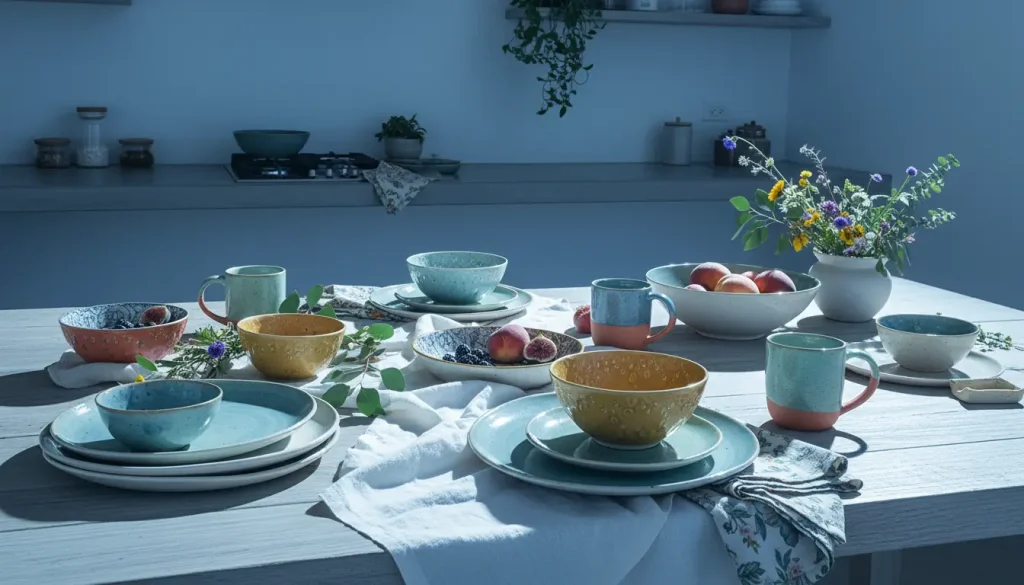
Dinnerware texture is as important as color. Mixing textures creates a tactile experience and adds sophistication.
Matte vs Glossy Finishes
Matte dinnerware feels organic and contemporary, while glossy pieces exude elegance. Combine them for a high-low balance like pairing matte stoneware plates with glossy ceramic bowls. The interplay of light adds subtle dimension to your tables-cape.
Natural Elements for Organic Dining Looks
Introduce wood chargers, linen napkins, and brass cutlery to contrast with ceramics. These natural elements soften the table and create an inviting feel a signature look in modern dining aesthetics.
Seasonal Inspiration: Dinnerware for Every Occasion
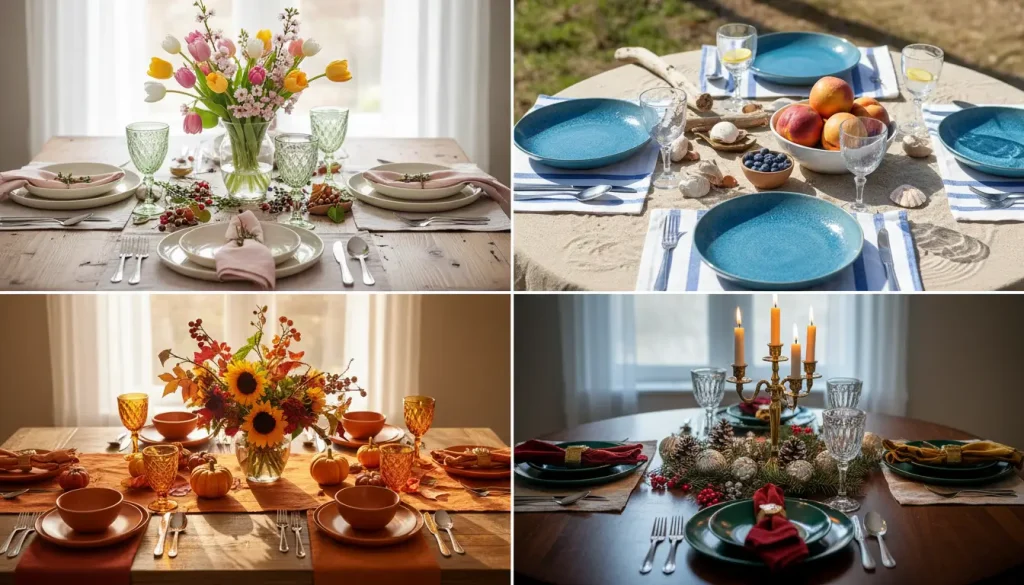
Dinnerware isn’t static; it evolves with seasons and moods. Rotating pieces keeps your table fresh year-round.
Spring and Summer Tables-capes
Think pastels, coastal blues, and floral prints. Mix white plates with sea-glass bowls or bamboo chargers. Add greenery and light fabrics for a breezy aesthetic perfect for backyard brunches.
Autumn and Winter Settings
Embrace warmth with deep tones burnt orange, charcoal, and forest green. Mix textured stoneware with metallic accents like copper mugs or gold-rimmed plates. These richer hues create cozy, intimate dinners during cooler months.
Styling Tips
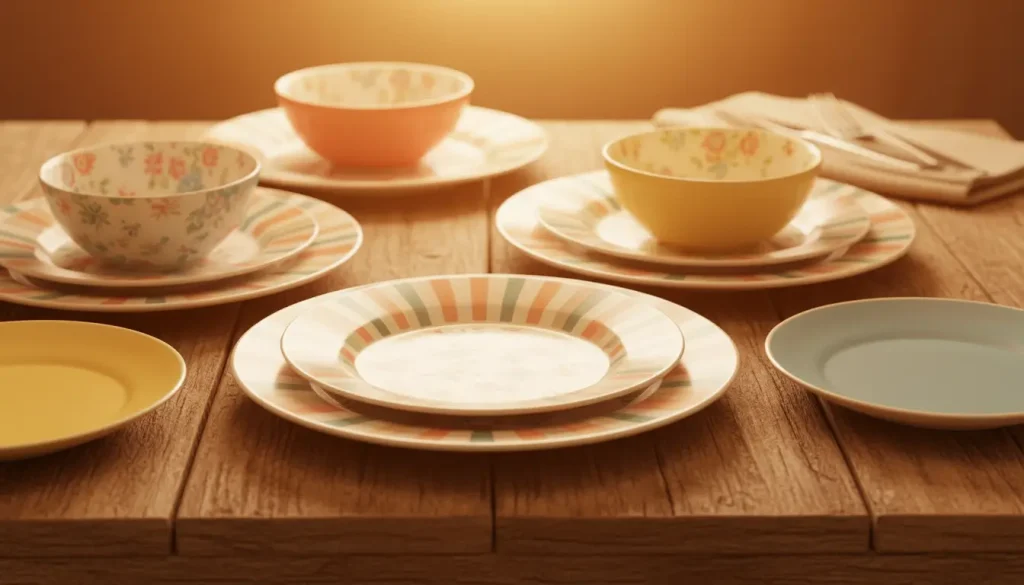
Homes combine innovation with effortless style. The same approach works for table design.
Minimalist Aesthetics with Modern Flair
Go for sleek lines, neutral tones, and subtle contrasts. Use varied shapes round plates with square side dishes to add character while maintaining balance. The minimalist philosophy of “less but better” defines this approach.
Sustainable and Ethical Choices
Consumers value conscious living. Opt for handcrafted ceramics, recycled glassware, and bamboo utensils. Supporting eco-friendly brands not only enhances your table but also reflects responsible living.
Mistakes to Avoid When Mixing Dinnerware
- Ignoring proportion – keep scale consistent between plates and bowls.
- Overloading patterns – too many designs can overwhelm.
- Forgetting texture – visual balance requires both smooth and rough elements.
- Skipping the test setup – lay out your table before guests arrive to adjust harmony.
Where to Find Unique Dinnerware Pieces
Discovering the right mix requires exploration.
Supporting Local Artisans and Brands
Markets and boutique stores offer one-of-a-kind pieces. Brands like Heath Ceramics and independent potters produce timeless designs that complement any home. You can also explore curated collections on Fance Home thoughtfully chosen pieces that merge beauty, quality, and purpose.
FAQs about Mix and Match Dinnerware Ideas
Q1: Can I mix different materials like glass and ceramic?
Yes! Mixing materials adds texture and depth just keep colors cohesive.
Q2: How many colors should I use?
Stick to 2–3 main colors with one neutral base for balance.
Q3: What’s the best dinnerware for everyday use?
Stoneware is durable, versatile, and perfect for daily dining.
Q4: Can mismatched dinnerware look formal?
Absolutely. When balanced thoughtfully, mixed pieces can look elegant and intentional.
Q5: How do I start my collection affordably?
Begin with a neutral set and add accent pieces over time.
Q6: What patterns are easiest to pair?
Subtle geometrics and organic patterns work well across multiple styles.
Conclusion
Mixing and matching dinnerware is more than a styling choice it’s a celebration of creativity and individuality. With the right balance of colors, textures, and materials, your table can tell a beautiful story every time you set it.
Whether you’re hosting a dinner or simply elevating your daily meals, thoughtfully curated dinnerware like those from Fance Home turns every occasion into an artful experience.