Summer Sale - Save on Everything!
 Free Shipping Over $99!
 Easy Guest Checkout
Ceramic vs Porcelain Dinnerware, The Ultimate Comparison for Every Home
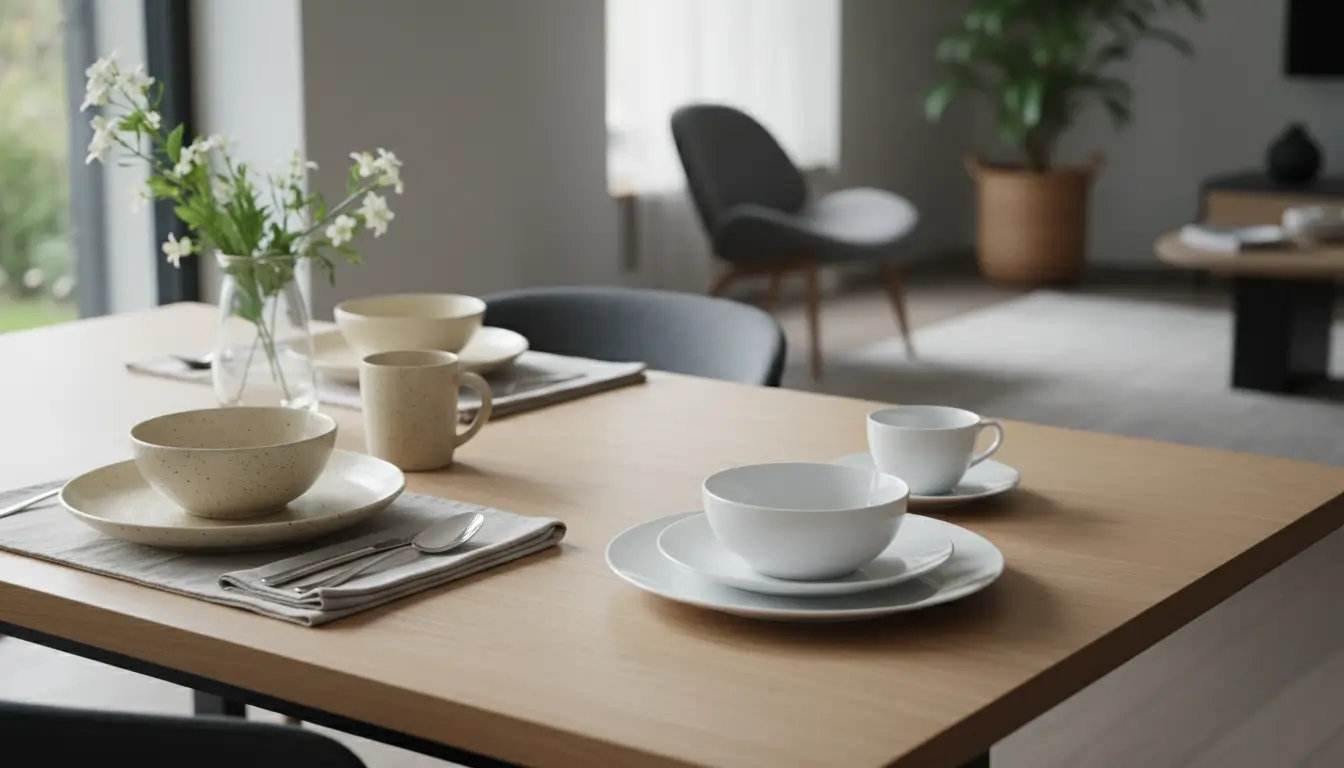
Understanding Ceramic and Porcelain Dinnerware
What is Ceramic Dinnerware?
Ceramic dinnerware refers to a broad category of tableware made from natural clay that’s shaped, glazed, and fired at high temperatures. It includes stoneware, earthenware, and porcelain itself. Traditional ceramics are usually fired at lower temperatures (1,832–2,192 °F), which gives them a slightly porous texture unless glazed.
These pieces often have a thick, sturdy feel perfect for casual dining or rustic table settings. They’re beloved for their hand-crafted charm, organic shapes, and earthy color palettes. Ceramic dishes are also great for heat retention, keeping your food warm longer. However, they can be more susceptible to chipping or cracking compared to porcelain.
What is Porcelain Dinnerware?
Porcelain, a subtype of ceramic, is made from refined kaolin clay and fired at much higher temperatures (Up to 2,642 °F). This process vitrifies the clay, making porcelain harder, denser, and less porous than standard ceramics.
The result is a thin yet remarkably strong dinnerware piece that feels elegant and delicate but performs exceptionally well in durability. Porcelain’s smooth, glass-like surface resists moisture absorption, making it ideal for formal settings or fine dining experiences.
Comparing Durability and Strength
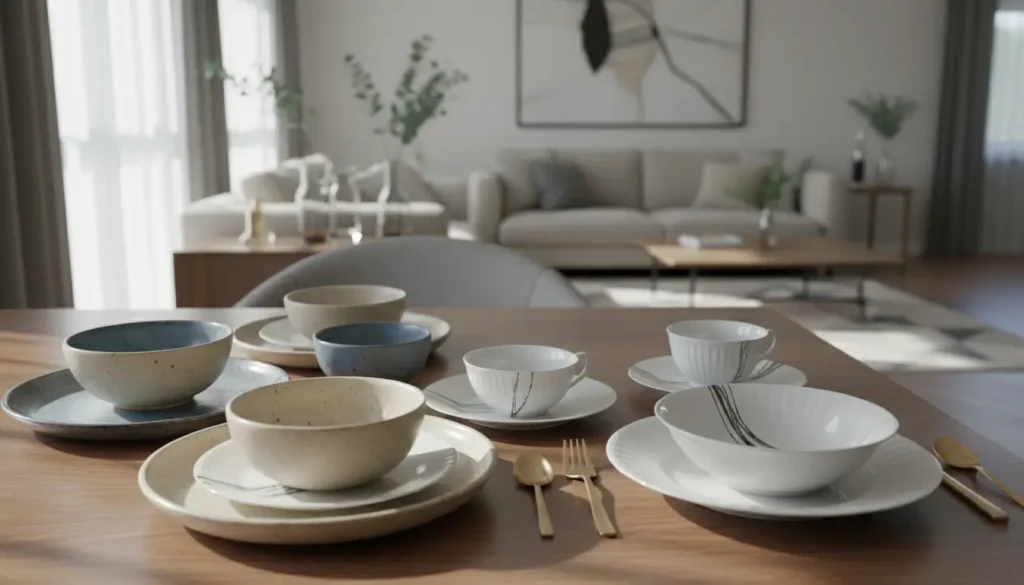
Why Porcelain is Harder and More Resistant
Porcelain’s high-temperature firing process transforms the clay into a non-porous, glassy material. This makes it resistant to scratches, stains, and chips. It’s often used in hotels and restaurants because of its resilience and ability to withstand frequent washing, even in commercial dishwashers.
Its toughness doesn’t come at the cost of elegance porcelain can be made incredibly thin and lightweight while maintaining superior strength.
How Ceramic Performs in Everyday Use
Ceramic dinnerware, while slightly softer, is durable enough for daily family meals. Stoneware ceramics, for instance, are heavier and thicker than porcelain, making them resistant to cracking under thermal shock. However, earthenware varieties can chip more easily.
In general, ceramics are more forgiving when it comes to casual handling but may not last as long under rigorous, repeated use.
Appearance, Design, and Aesthetic Appeal
The Elegant Finish of Porcelain
Porcelain is often associated with sophistication. Its bright white color and translucent quality give it a luxurious appeal. Many porcelain sets feature intricate detailing, fine glazes, and sometimes hand-painted or embossed designs.
If you’re aiming for a refined dining table aesthetic think weddings, formal dinners, or luxury restaurants porcelain provides that premium look effortlessly.
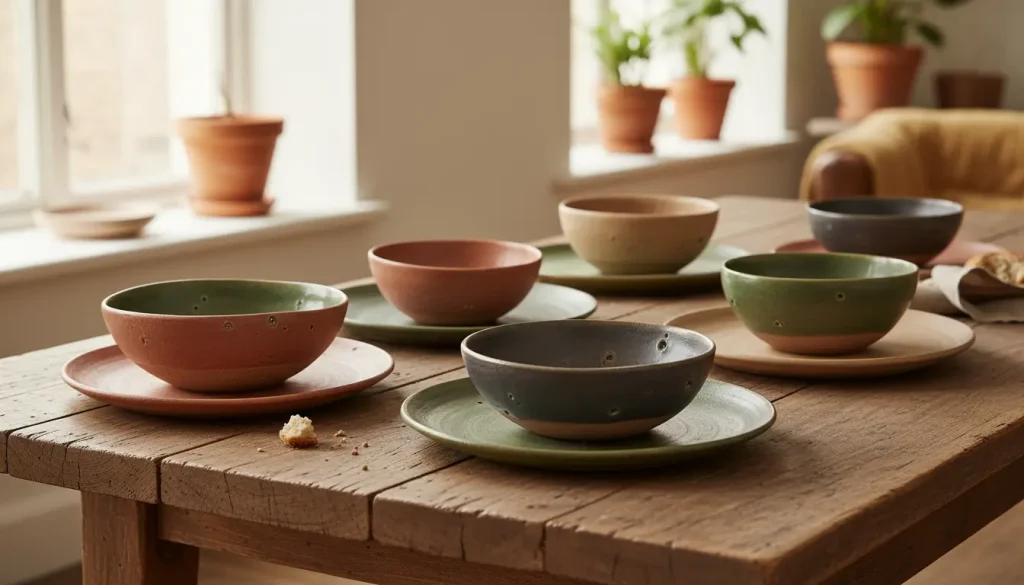
The Rustic Charm of Ceramic
Ceramic, on the other hand, embraces imperfection. Its handcrafted textures, matte glazes, and warm tones make each piece feel unique. It pairs beautifully with modern farmhouse, bohemian, or rustic décor styles.
Ceramic plates are often chosen for their character and charm ideal for cozy, homey, or artistic dining environments.
Cost, Maintenance, and Practicality
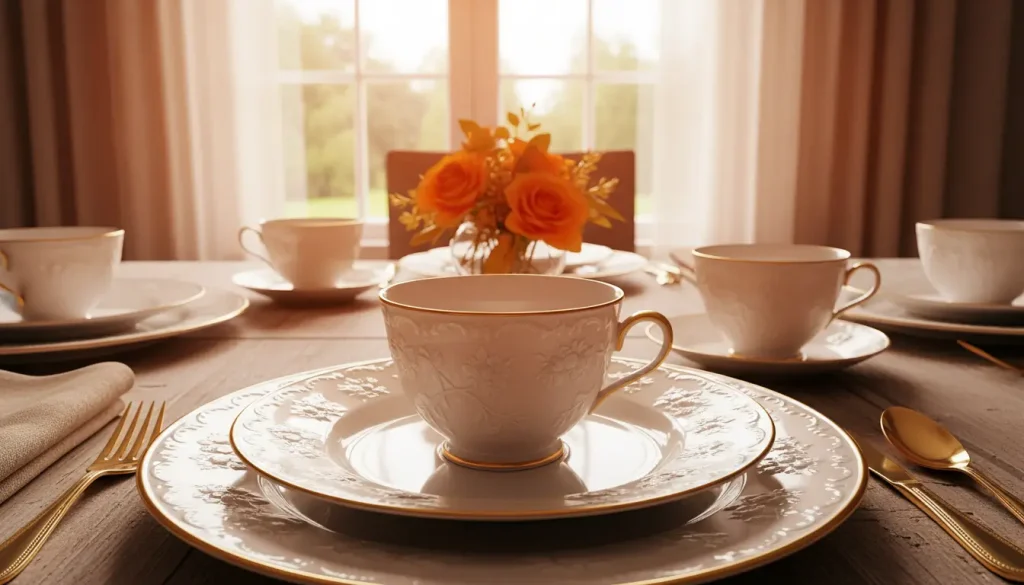
Price Differences Between Ceramic and Porcelain
Porcelain generally costs more due to its high manufacturing temperature, refined clay, and intricate design possibilities. Fine bone china, a variant of porcelain, can be particularly expensive.
Ceramic dinnerware, however, offers excellent value for money especially for households that need practical, attractive, and affordable tableware options.
Care Tips for Longevity and Shine
Both ceramic and porcelain require mindful care to maintain their beauty. Porcelain is typically dishwasher-safe and microwave-safe, though hand washing is advised for delicate or gold-rimmed pieces.
Ceramic dishes should be handled more gently; avoid sudden temperature changes that can cause cracking. Using felt or cloth pads between stacked plates can prevent scratches and chips over time.
Which One Should You Choose?
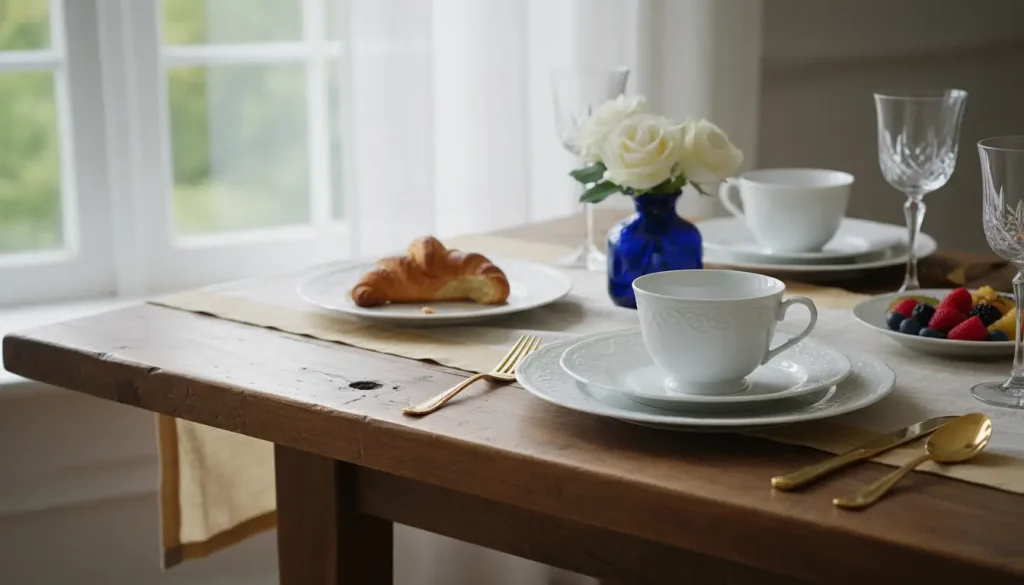
Choosing Based on Lifestyle and Use
If you prioritize elegance, lightness, and long-lasting performance porcelain is your best bet. It’s perfect for formal dining and frequent entertaining.
For those who love handmade artistry, casual dining, and warmth in design ceramic delivers charm and character that porcelain can’t replicate.
The Final Verdict: Ceramic vs Porcelain
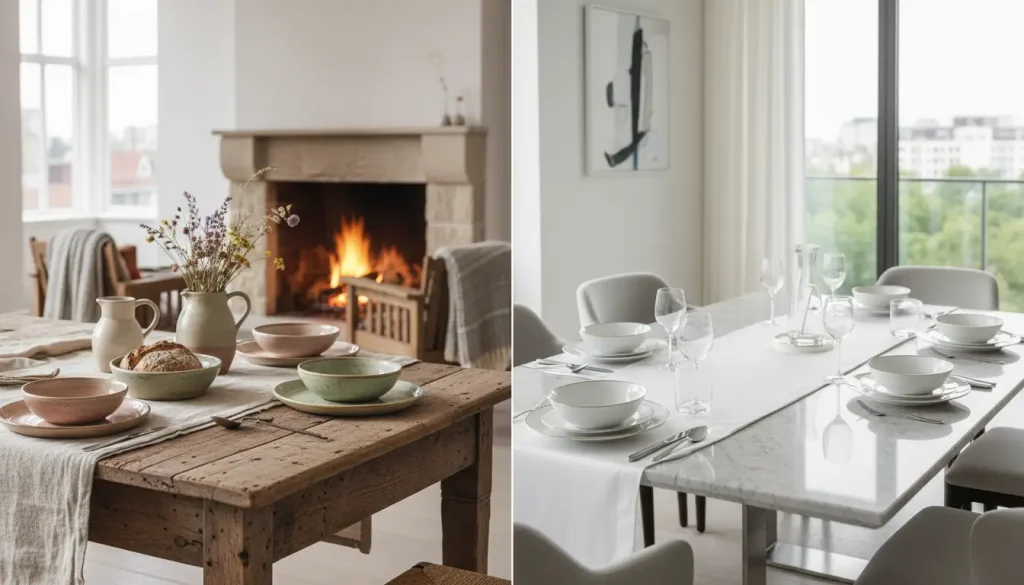
In the end, both materials have their place at the table. Porcelain shines in durability and sophistication, while ceramic captures the heart with its artisanal appeal.
Your ideal choice depends on how you use your dinnerware whether you’re setting the table for everyday meals or special occasions.
Frequently Asked Questions (FAQs)
1. Is porcelain more expensive than ceramic?
Yes, porcelain usually costs more due to its complex production and refined materials.
2. Are both ceramic and porcelain microwave-safe?
Most are, but always check the manufacturer’s label some decorative glazes or metallic details may not be microwave-friendly.
3. Which lasts longer: ceramic or porcelain?
Porcelain tends to outlast ceramic because it’s harder, denser, and less prone to chips.
4. Can ceramic and porcelain go in the dishwasher?
Yes, but hand washing is best for longevity especially for ornate designs or fine china.
5. Does ceramic dinnerware stain easily?
Unsealed or unglazed ceramic can absorb food colors over time, but most modern ceramics are fully glazed and resistant to staining.
6. Is porcelain eco-friendly?
Porcelain is made from natural minerals like kaolin and feldspar, making it environmentally sustainable compared to plastics or composites.
Conclusion
Both ceramic and porcelain dinnerware bring beauty, function, and personality to your table. Porcelain offers elegance and resilience, while ceramic delivers warmth and authenticity. Choosing between them ultimately comes down to how you dine, entertain, and express your style.
Check out our Instagram to see our best-selling pieces in action and get some table inspo.